Why Connemara's Shoreline Matters
The Connemara coast isn't just beautiful—it's genuinely accessible. We're talking paths where you can actually walk at your own pace without technical climbing or scrambling. The four main routes we've covered range from 3 to 7 kilometers, which means you've got options depending on your energy level that day.
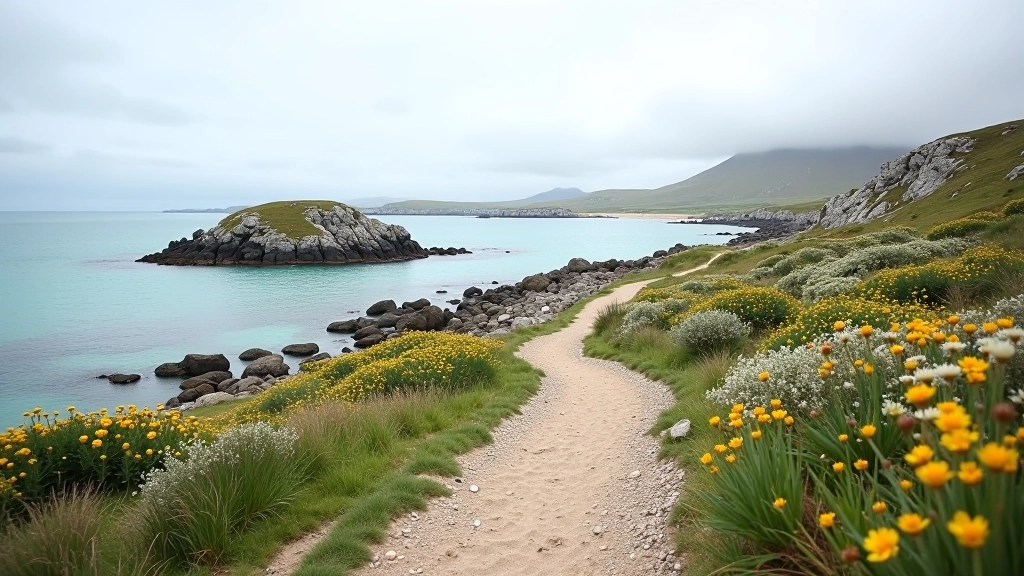
Here's what makes these walks different: they're designed around the natural rhythm of the coast. Some sections follow old droving paths that locals used for centuries. Others wind past working fishing villages where you'll see nets drying and boats preparing for the day. It's not a manufactured tourist experience—it's the actual shoreline where people have lived and worked.
Quick Facts
- Best season: May through October (though spring walks are spectacular)
- Elevation gain: Minimal on all routes (50-150 meters)
- Trail surface: Mix of coastal paths, farm tracks, and short road sections
- Water access: Several safe spots to sit and watch the tide
The Ballyconneely Loop: Gentle Waves and Golden Sands
This 3-kilometer walk is where most people start. It's gentle, it's scenic, and you're never more than 10 minutes from a café or shelter. The path begins at Ballyconneely Beach and curves around a small headland, giving you views of Cashel Bay.
What we love about this route: it's perfect for testing your legs without committing to something ambitious. The beach section has firm sand—excellent for walking—and the back section passes through small communities where locals know the rhythm of the tides better than anyone. You'll see sheep grazing right up to the cliff edge, which is honestly a bit wild.
Timing matters here. Walk it at low tide and you've got acres of sand. Walk it at high tide and the path stays inland through fields. Either way works, but low tide gives you more of that true beach experience. Park at Ballyconneely Village, grab a coffee, and you're ready.
Mannin Bay: Where Wildlife Thrives
If you want to see actual nature—not just landscape views—Mannin Bay is your walk. This 5-kilometer route takes you through working coastal habitat. We're talking seals, oystercatchers, and on good days, if you're patient, dolphins.
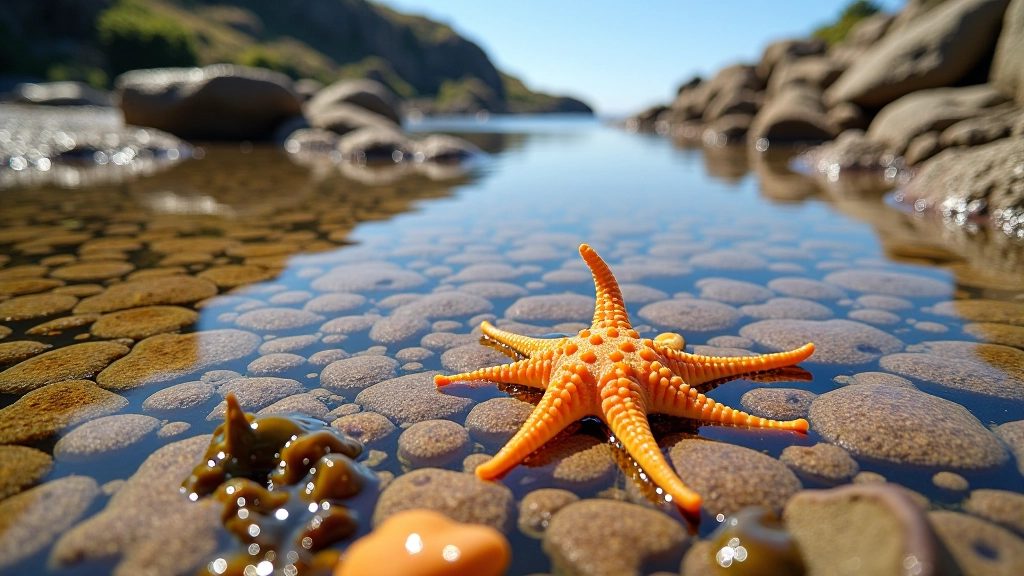
The walk starts at Cleggan and winds around the bay, passing tide pools that you can actually explore if the tide's right. Bring binoculars. Seriously. The birdlife here is remarkable—you'll see species that don't hang around many other parts of Ireland. Locals joke that the bay is more seagull than water at certain times of day.
This route isn't perfectly flat—there's a 120-meter elevation gain as you climb away from the beach—but it's spread over 2 kilometers, so it's gradual. The views from the top are worth every step. You're looking back at the entire arc of the bay, and on clear days you can see the Aran Islands.
Important: Tide and Safety Note
This article provides educational information about walking routes in Connemara. Tides in this region can change rapidly and unpredictably. Always check tide times before departing, carry a charged mobile phone, and let someone know your route. If you're unfamiliar with tidal areas, consider hiring a local guide. Weather conditions can deteriorate quickly on the coast—bring appropriate gear regardless of the forecast.
Renvyle Beach: Long Walks and Quiet Moments
Renvyle is different. This 7-kilometer walk is the longest of the four routes, but don't let that intimidate you. The terrain is genuinely easy—mostly flat beach walking with minimal elevation. What makes it special is the space. You can walk for 45 minutes and barely see another person.
The beach here stretches seemingly forever. At low tide, you've got at least 200 meters of sand between the waterline and the dunes. Walk along the tide line and you'll find shells, seaweed in interesting shapes, and occasionally pieces of sea glass. This isn't Instagram-beautiful—it's real, working coastline where storms have shaped the landscape.
There's a small café about halfway along the beach. You can walk to it, grab a hot drink, rest for 20 minutes, and decide if you want to continue or head back. Many people do exactly this. It takes the pressure off—you don't have to commit to the full distance.
Glassilaun Beach: The Hidden Gem Route
This one's quieter than the others, which means you'll see more wildlife and fewer selfie sticks. The 4.5-kilometer walk combines beach and clifftop sections, so you get variety without exhaustion.
Start at the small car park near Glassilaun Beach—it's easy to miss, which is partly why this route stays quieter. The first section is pure beach walking, golden sand that's firm enough for comfortable strides. Then you climb away from the beach (it's steep for about 10 minutes, then flattens out) and follow a coastal path that gives you genuine panoramic views.
There are benches along this section—actual, weathered benches that locals have placed for walkers to rest. You'll sit there looking back at the beach you just walked and forward at the next stretch of coastline. It's the kind of moment that makes you understand why people keep coming back to this place.
What Makes These Walks Actually Work
Wildlife Spotting Tips
Move slowly. Seriously. Stop for 10 minutes and sit still, and you'll see more than if you walk the whole route. Seals are curious—they'll watch you from a distance. Bring binoculars for birds. Early morning (before 9 AM) is best.
Resting Spots Worth Knowing
Ballyconneely has a café at the beach car park. Mannin Bay has sheltered spots among the rocks. Renvyle has the café we mentioned. Glassilaun has those benches. Plan your rest stops—don't push through fatigue on coastal paths.
Weather Awareness
Coastal weather changes fast. You might start in sunshine and walk into rain within 30 minutes. Layers work better than a single heavy jacket. Wind can pick up quickly—it's usually fine, but plan for it.
Tide Timing Strategy
Check tide times before you leave. Low tide gives you more beach. High tide keeps you on inland paths. Neither is "wrong"—they're just different experiences. Know what you're getting into.
Why You'll Come Back
These four walks aren't extreme. They're not going to make your legs scream or require technical skills. What they will do is give you genuine connection to the coast—the real working shoreline where weather, tide, and seasons actually matter.
You'll notice different things each season. Spring brings wildflowers and returning seabirds. Summer gives you long light for evening walks. Autumn shows you the dramatic power of Atlantic storms. Winter's quiet—fewer people, clearer air, that particular kind of peace that coastal places have when the tourists have left.
Start with Ballyconneely if you're testing the waters. Try Mannin Bay if you want to see wildlife. Choose Renvyle for space and solitude. Pick Glassilaun if you want something slightly different. You honestly can't make a bad choice here. Come back in different seasons and you'll understand why locals never leave.